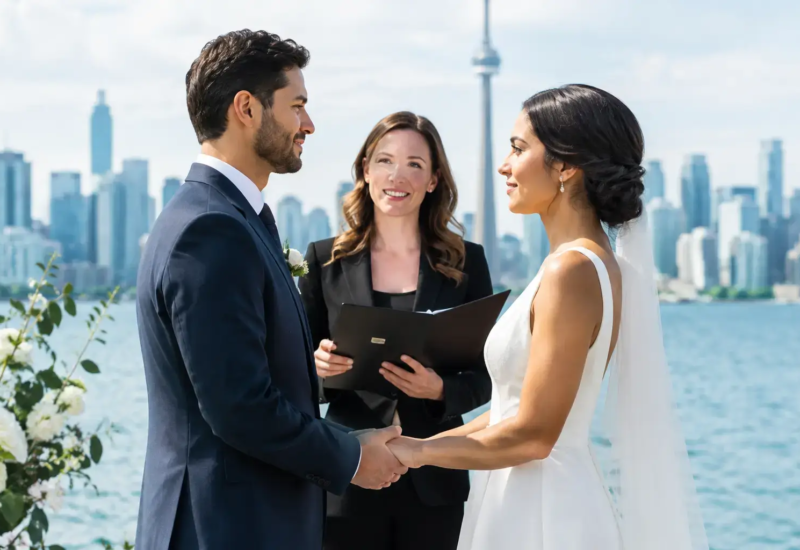
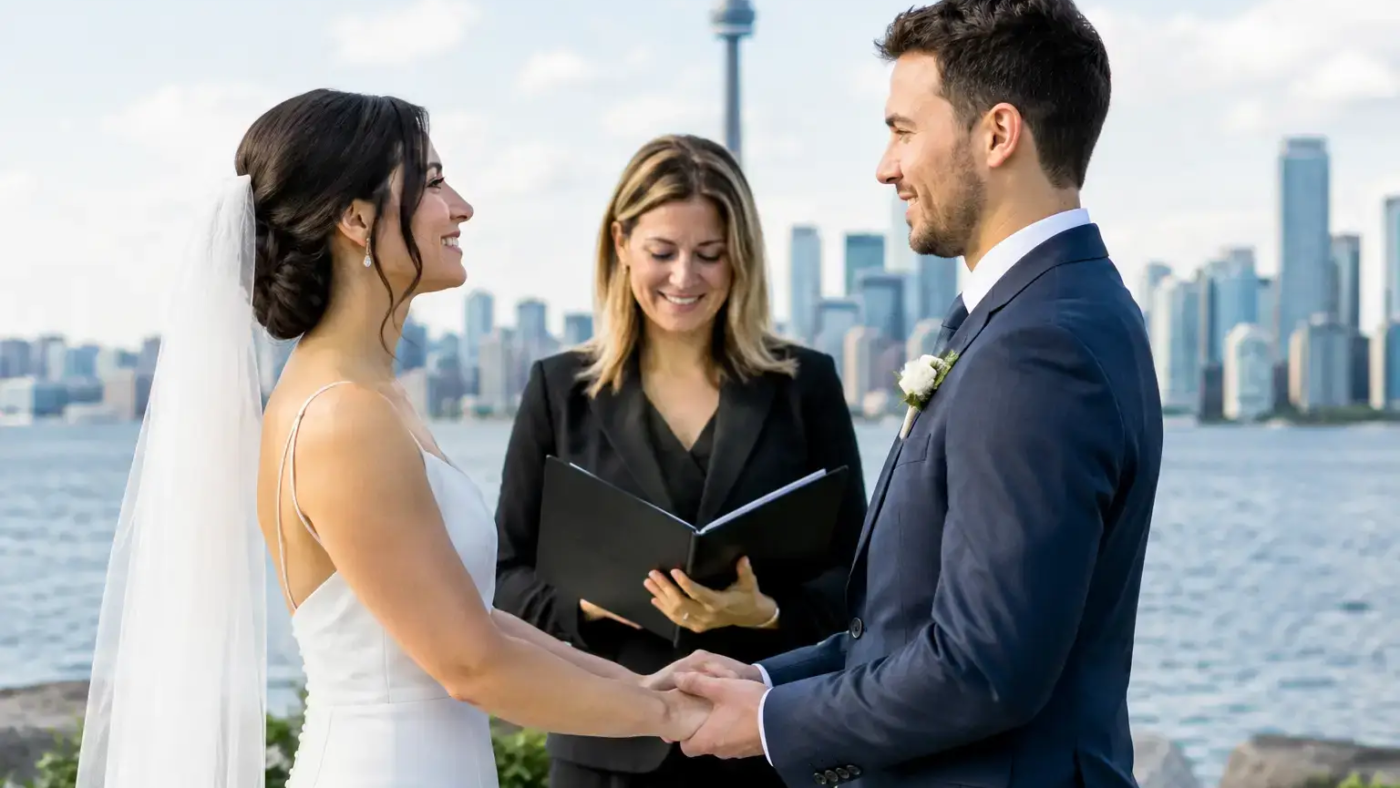
A small wedding does not make the moment smaller. Often, it asks more of the ceremony itself: fewer distractions, fewer formalities, and no place for borrowed words to hide. The right elopement officiant Toronto couples choose should bring both calm legal guidance and the sensitivity to make a private promise feel fully witnessed.
For some couples, eloping means signing quietly with two witnesses before dinner. For others, it means exchanging vows in a garden, at home, beside the water, or in a place that holds personal meaning. The setting may be simple, but the decision is not. Marriage is a legal milestone and a deeply human threshold. Your officiant should honor both.
What an Elopement Ceremony Can Be
An elopement is not a reduced version of a traditional wedding. It is a choice to place the relationship at the center. That can mean a concise legal signing, a brief civil ceremony, or a fully written experience with personal vows, readings, and a carefully held pause before the final yes.
The format depends on what matters most to you. Couples who want the legal requirements completed with clarity may prefer a straightforward civil signing. Those who want their story reflected in the ceremony may choose a custom-scripted elopement with more room for personal language and ritual. Neither approach is more meaningful than the other. The best choice is the one that feels honest to the way you love and live.
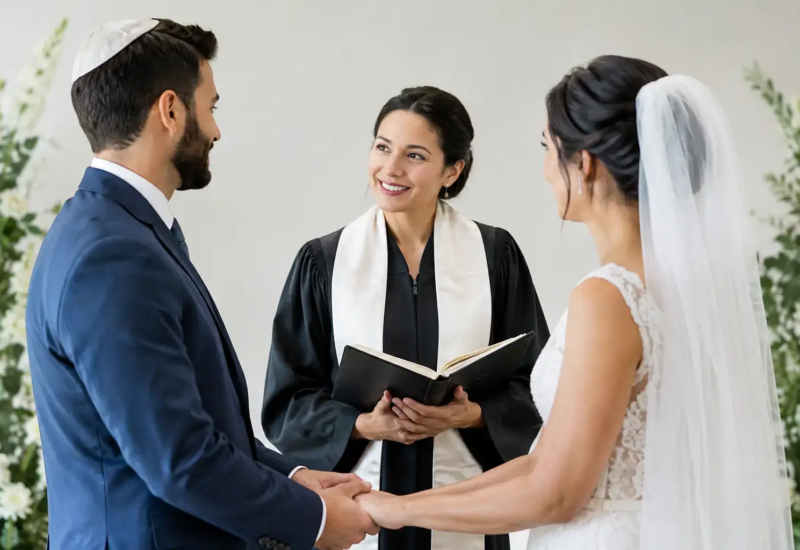
A symbolic ceremony is another possibility, particularly for couples who have already completed the legal marriage or are planning to do so separately. Symbolic ceremonies can be spiritual, secular, interfaith, cultural, or entirely personal. They offer broad creative freedom, but they do not create a legal marriage on their own.
Legal Details Deserve a Steady Hand
A beautiful ceremony should not leave you wondering whether the paperwork was handled correctly. In Ontario, a legally valid marriage generally requires a valid marriage license, an authorized officiant, and two witnesses present to sign the required documents. The ceremony also needs to meet the legal requirements for solemnization.
This is where a legal-minded officiant can make a real difference. The process is not meant to feel intimidating, but it does deserve care. Couples should understand what they need to bring, who may act as witnesses, when documents must be signed, and what happens after the ceremony.
An experienced officiant will explain the process in plain language before the day arrives. There should be no uncertainty about whether your ceremony is legal, symbolic, or a combination of both. If your plans involve a previous divorce, an international document, a private venue, or timing that feels unusually tight, ask early. A clear conversation creates room to breathe later.
Choosing an Elopement Officiant in Toronto
Toronto offers almost every kind of backdrop a couple could want: a quiet home, a downtown hotel suite, a neighborhood restaurant, a conservatory, a park, or a simple room with the people who matter most. But a beautiful location cannot compensate for an officiant who feels rushed, generic, or unclear about the legal side of marriage.
When choosing an elopement officiant in Toronto, begin with the experience you want to have in the room. Do you want a brief, efficient signing? Would you like help writing vows? Do you want your relationship story included, or would you rather keep the ceremony private and spare? The answers will help you identify the right level of service.
It is also worth asking how the officiant approaches customization. “Personalized” can mean a name added to a standard script, or it can mean a ceremony written from the texture of your relationship: how you met, what you have built, what you value, and the promises you are ready to make. There is room for both approaches, but they are not the same service.
Finally, consider presence. The best officiant is not the loudest person in the ceremony. They are prepared, attentive, and able to guide the moment without taking it over. They know when to offer direction, when to pause, and how to help every word land.
Questions Worth Asking Before You Book
A consultation should leave you feeling more settled, not more pressured. Before confirming your officiant, ask whether they are authorized to perform legal marriages in Ontario and whether they will explain the marriage license and signing process. Confirm what is included in the service, particularly if you want a custom ceremony, vow support, rehearsal guidance, or flexibility around your venue and guest count.
It also helps to discuss timing. A legal signing may take only a short time, while a bespoke ceremony requires more preparation and conversation. If you are planning a weekday elopement or a ceremony with only a few guests, do not assume it needs less coordination. Small gatherings can be especially intimate, which makes thoughtful pacing even more valuable.
Pricing should be clear as well. In the Toronto and Greater Toronto Area market, elopement and officiant services can range from a concise signing to a more involved custom ceremony. The difference is usually shaped by preparation, writing, travel, rehearsal support, and the level of personalization requested. A transparent conversation helps you choose intentionally rather than paying for elements you do not need.
Give Your Ceremony a Shape
Even a ten-minute elopement benefits from a sense of shape. There is an arrival, a welcome, the legal declaration, vows or promises, rings if you are exchanging them, the signing, and a closing. The order can be adapted, but the moment should feel held rather than improvised.
For a legal-only ceremony, the language may be brief and direct. This can be exactly right for couples who value privacy or plan a larger celebration later. A short ceremony can still feel warm when it is delivered with care.
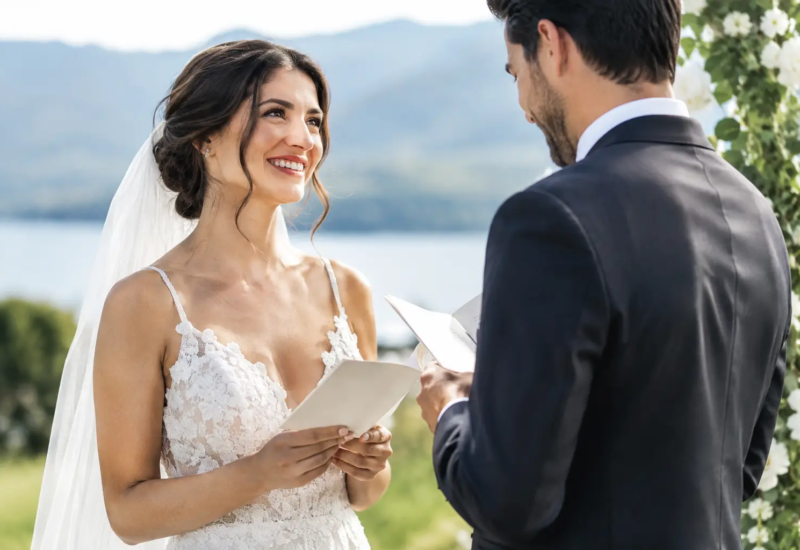
For a more personal elopement, consider including one or two details that belong only to you. Perhaps you read handwritten vows. Perhaps a sibling offers a reading. Perhaps you acknowledge the family members who shaped your lives, whether or not they are present. You do not need a long program to create emotional depth. One true sentence, spoken without performance, can carry more than a page of formal language.
When Family Expectations Are Part of the Plan
Elopements can bring relief, but they can also bring complicated feelings. Some couples are choosing intimacy after years of waiting. Others are navigating family expectations, cultural traditions, distance, budget concerns, or a desire to avoid becoming the center of a large event.
An elopement does not have to be a rejection of family. You may choose a private legal ceremony now and host a dinner, blessing, or vow renewal-style gathering later. You may include loved ones by video, invite only witnesses, or keep the ceremony entirely private. There is no universal rule for what is respectful. The question is whether the choice reflects your relationship and gives you both peace.
A thoughtful officiant can hold space for that complexity without turning the ceremony into an explanation. Your marriage does not need to defend itself. It only needs to begin with honesty.
A Ceremony That Feels Like Yours
At AHANSA Life Foundation, couples are offered ceremony formats that range from clear legal signing services to fully officiated, custom-scripted experiences. The approach is grounded in careful listening, legal fluency, and a quiet confidence that allows the couple to remain at the center of the day.
Your elopement may be brief. It may be untraditional. It may happen with only two witnesses and a handful of promises spoken softly. What matters is that the legal foundation is sound, the words feel true, and you leave the ceremony with the feeling that there was room for both of you to be fully present.
Choose the setting, the people, and the level of ceremony that lets your most important yes feel unhurried. The marriage begins there.