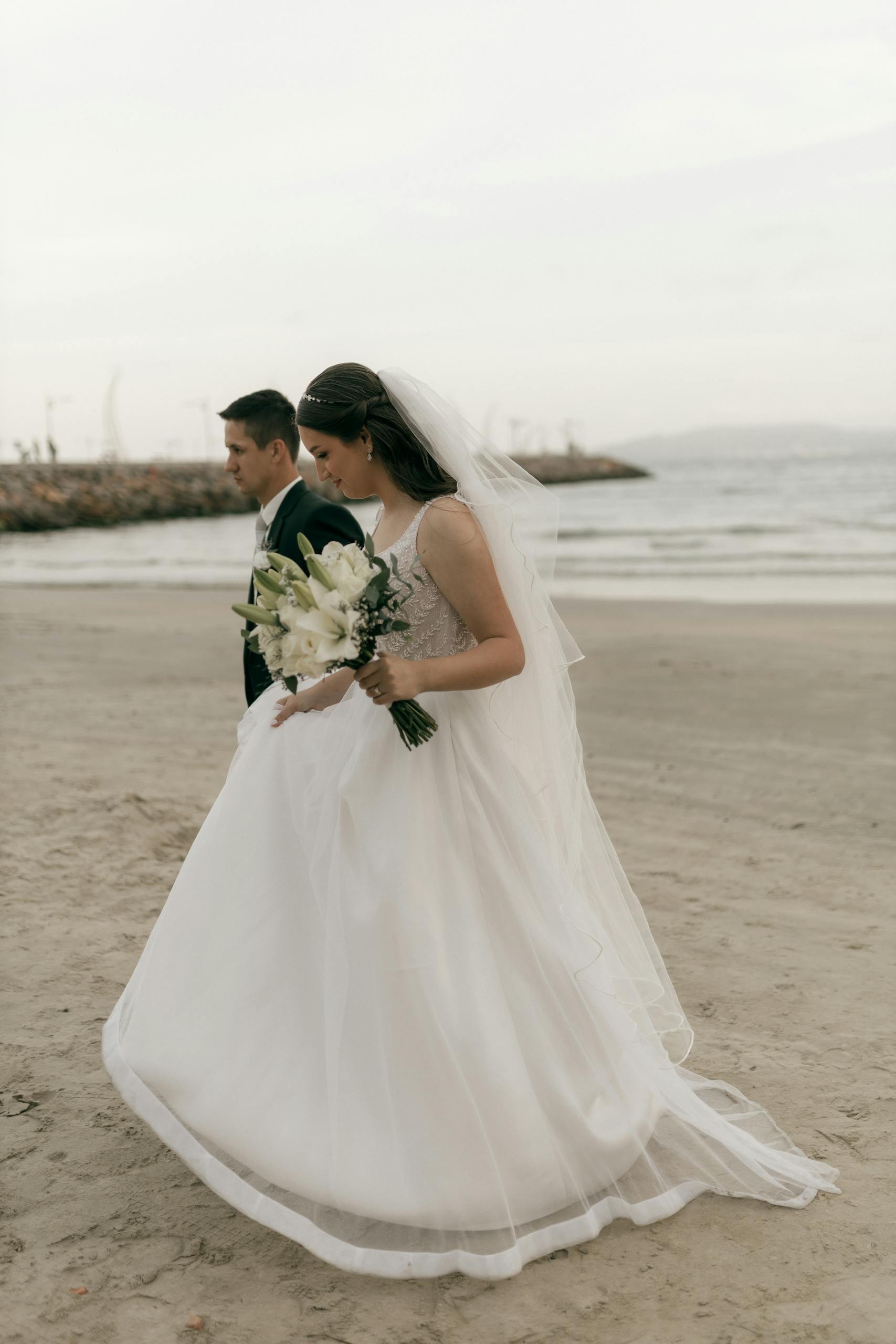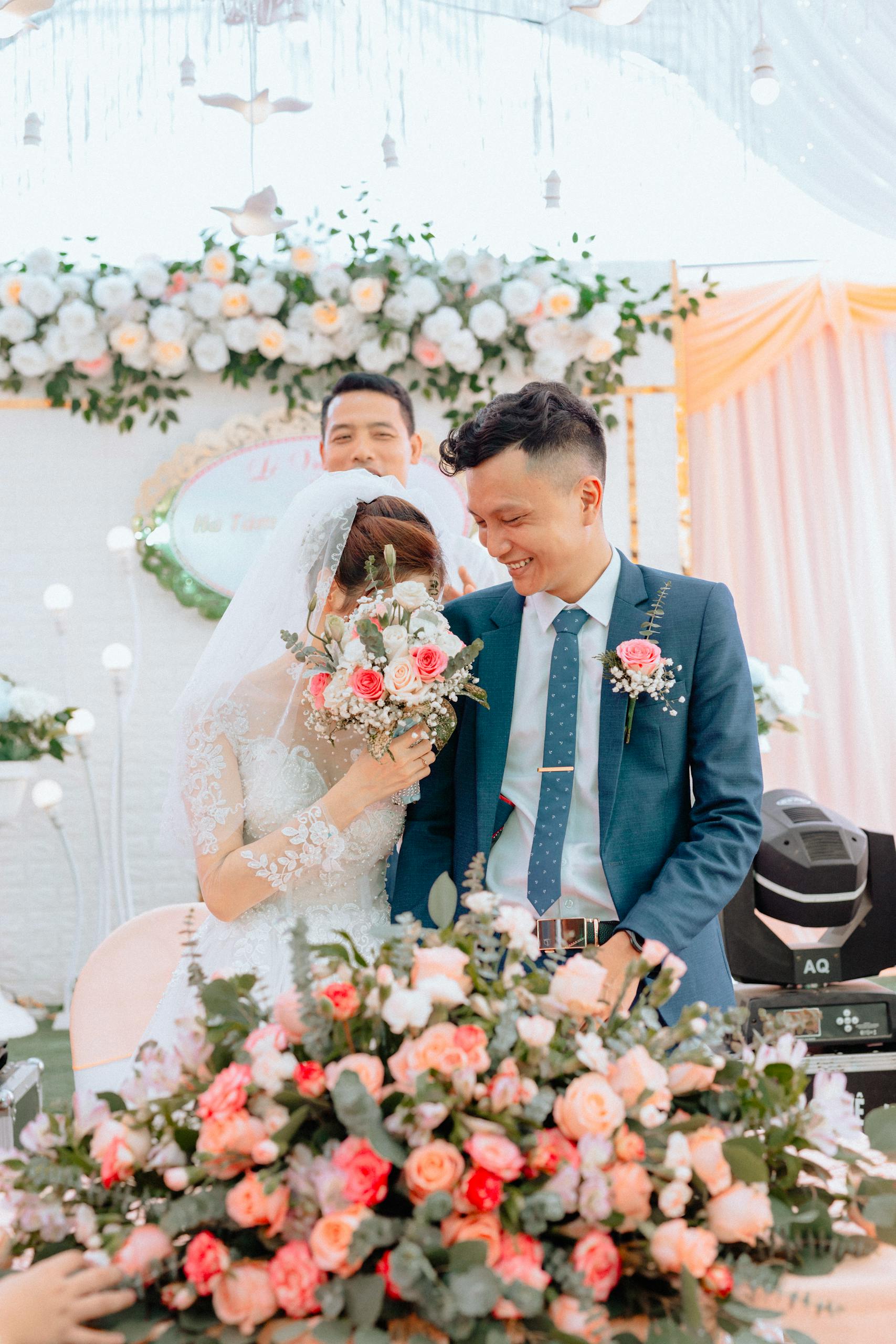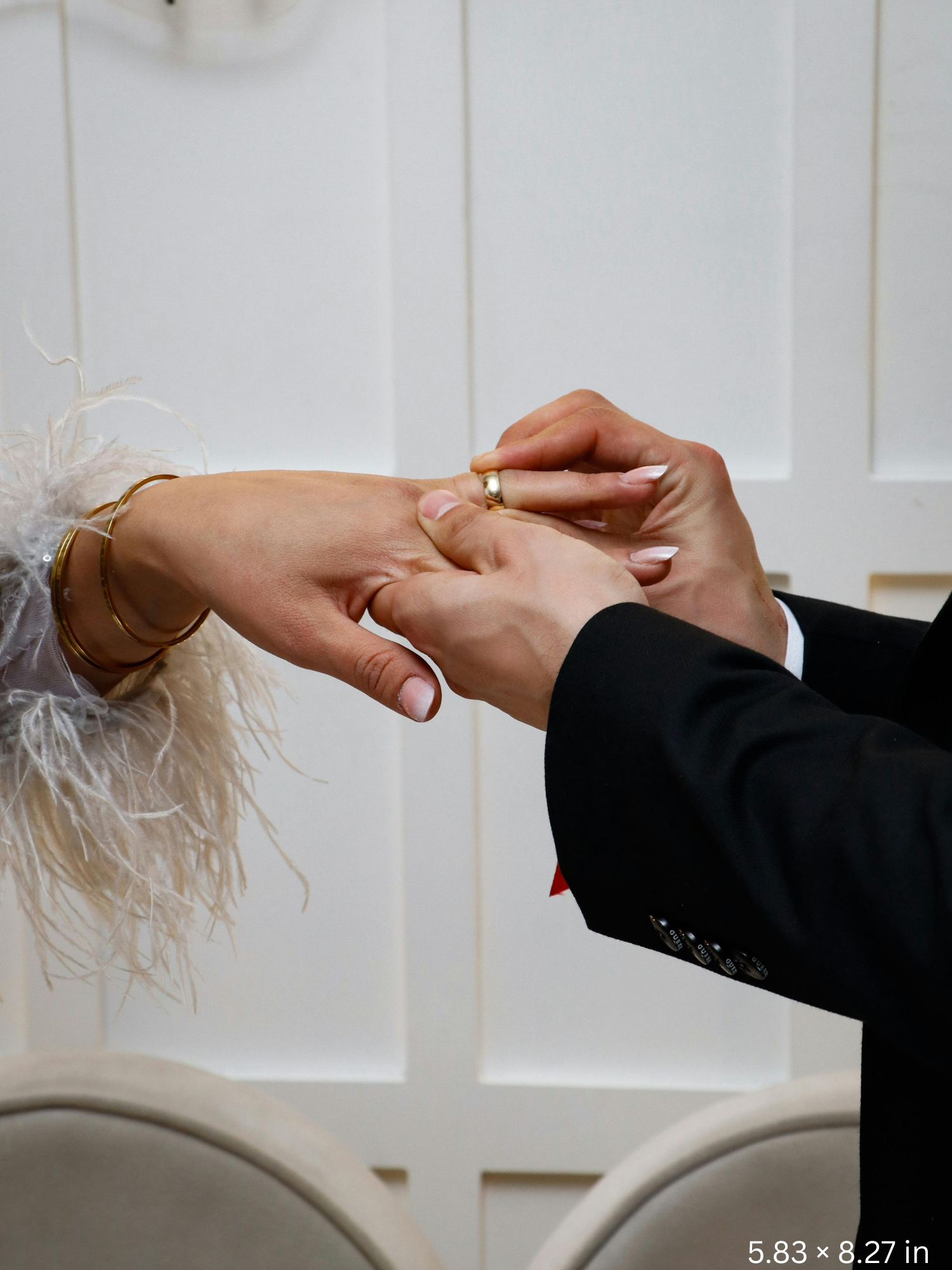
For many couples, the word “wedding” still conjures stained glass, sacred texts, and a tradition larger than themselves. Those forms remain beautiful and valid. Yet marriage, in Canadian law and in community life, is also something else: a social contract — a public, legal recognition of a private commitment.
Law is not the opposite of love
A marriage licence, witnesses, and an authorized officiant are not bureaucratic interruptions of romance. They are the architecture that makes the promise legible to the state and to society: rights, responsibilities, and recognition. Understanding that layer does not diminish emotion; it grounds it.
Religion is one path, not the only path
Civil ceremonies, interfaith blends, and secular rituals all answer the same human need: to mark a threshold with witnesses. When couples ask whether marriage is “just paper,” I gently reverse the question: paper is how societies remember what the heart has decided.
The social dimension
Even a micro wedding of eight people is social. You are inviting others to hold your story, to support the household you are forming, and to celebrate a new configuration of family. That is covenant in civic form.
Why this matters for ceremony design
When you know whether your day is primarily legal, primarily spiritual, or both, the script can tell the truth. Symbolic-only celebrations honour meaning without claiming legal status they do not hold. Legal signings honour the contract without demanding religious language you do not share.
Marriage can be sacred without being sectarian. It can be legal without being cold. The art is holding both truths in one room.
At AHANSA Life Foundation, we craft civil, spiritual, and hybrid ceremonies with equal respect — and with the precision of a legal professional. Let’s discuss the contract you want to speak aloud.