An officiant is often imagined as “the person who reads the script.” In truth, the role is both practical and pastoral: legal authority, narrative craft, timing, and a calm presence that lets the couple stay in the moment.
Before the day
A thoughtful officiant consults with you, learns your story, helps structure the ceremony, and drafts or refines the wording. They clarify Ontario requirements for a legal marriage — licence timing, witnesses, and signing — so nothing is left to chance.
During the ceremony
- Welcomes guests and sets the tone
- Guides processional cues when needed
- Delivers reflections, readings, or spiritual elements you requested
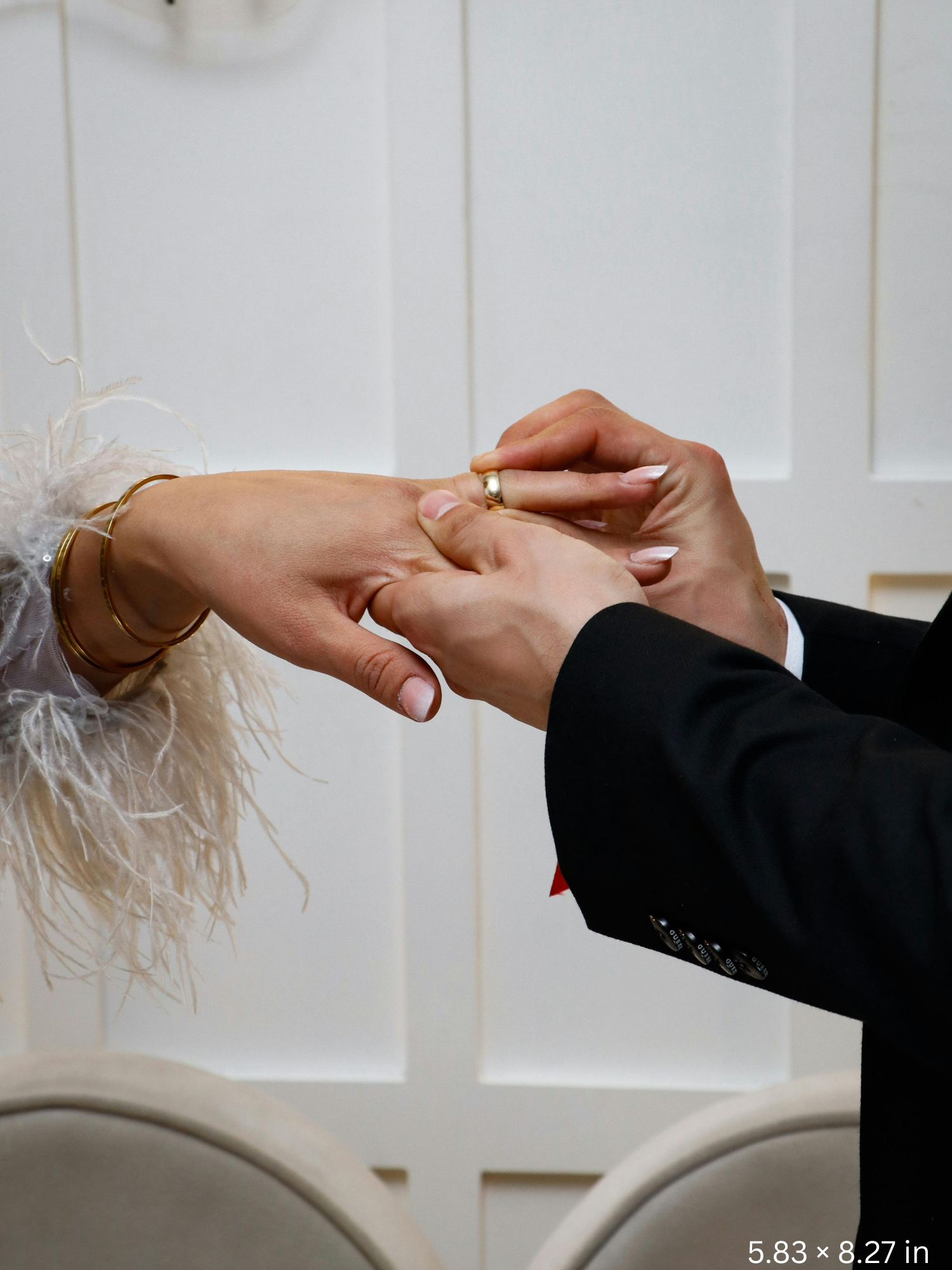
- Facilitates vows and ring exchange
- Pronounces the marriage
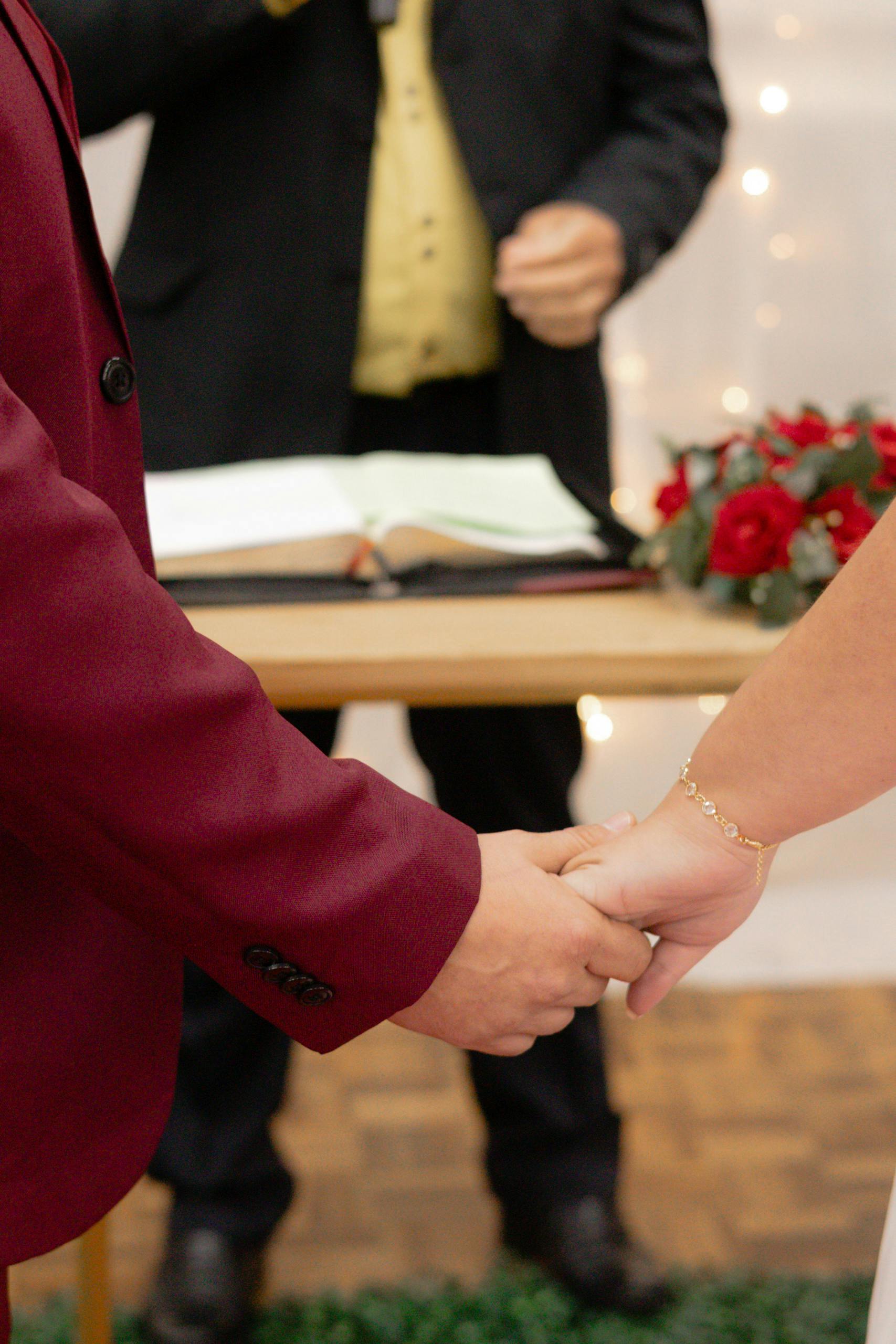
- Oversees the legal signing correctly
What “holding the room” means
If a guest arrives late, a microphone fails, or emotion rises, the officiant steadies the pace. In intimate settings this skill is especially visible: there is no large production team to absorb friction. Presence is the production.
Legal vs. symbolic
For a legal wedding in Ontario, the officiant must be authorized to solemnize marriage. For a symbolic ceremony, the same person may lead a meaningful celebration without completing marriage paperwork at that event. Knowing which path you want shapes everything we prepare.
The best officiants are nearly invisible in the right way — you remember the vows, not the logistics that made them possible.
Curious how AHANSA approaches full, symbolic, or legal-signing ceremonies? Explore our services or book a consultation.